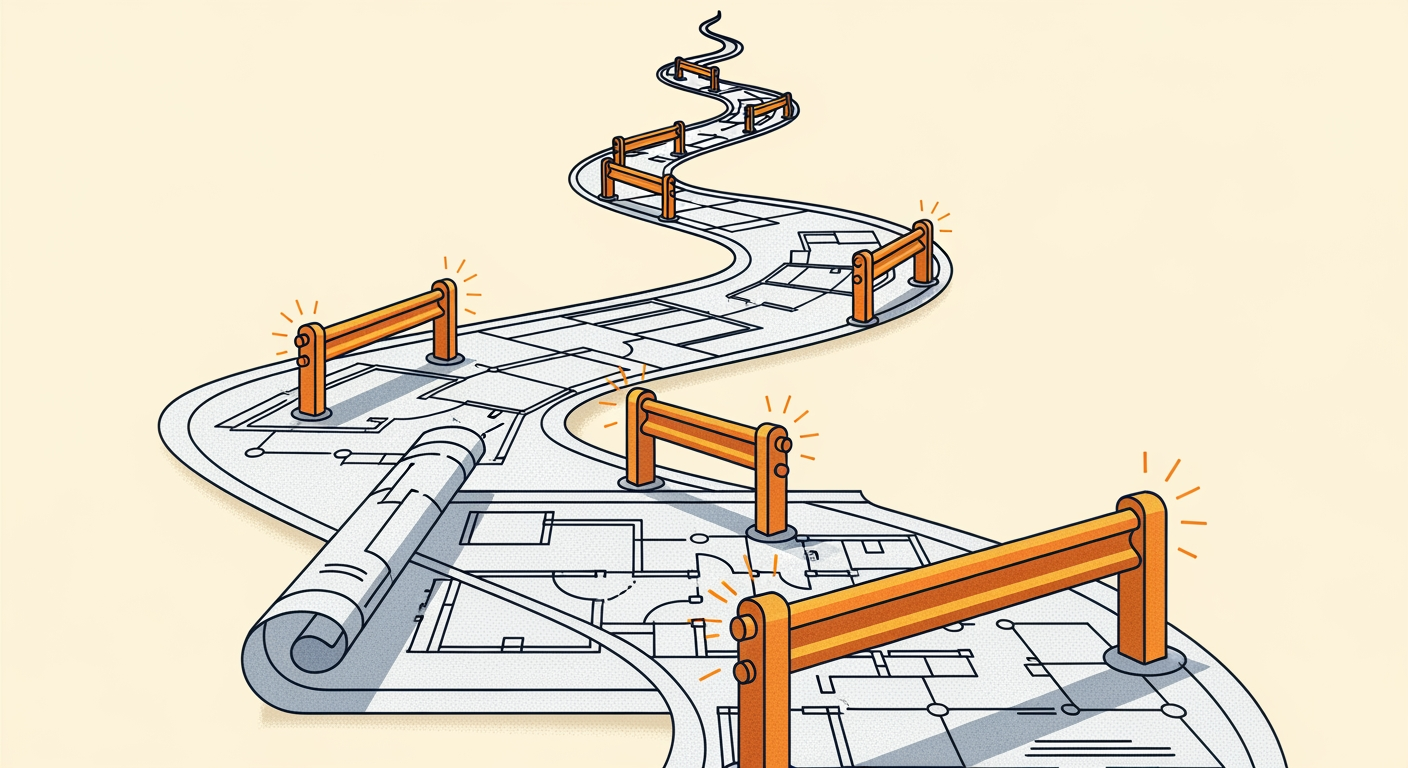
The value of a security incident library is not that you can read it. It's that the lessons in it run automatically against your own system, every time it changes, before anything ships. That is the difference between a knowledge base and a guardrail — and it's the gap Aribot is built to close.
Watch the full Real AI Security Incidents walkthrough
More on the Ayurak AI channel.
Start from how systems actually fail
Aribot grounds its analysis in the documented reality of AI and software security failure — the patterns captured in the OWASP Top 10 for LLM Applications, MITRE ATLAS, and MITRE ATT&CK. These aren't hypothetical risks; they're the categories real incidents keep falling into. By mapping to them, every check Aribot runs traces back to a failure mode that has already cost someone, somewhere, a bad week.
Apply the lessons to your architecture, automatically
The crucial move is direction. Instead of asking an engineer to read a write-up and wonder whether it applies, Aribot evaluates the documented failure modes against your own architecture and code. It reasons about your components, trust boundaries, and data flows, and asks, for each known pattern: is this system exposed to it? The output is not “here is a category of risk” but “this component, on this path, has this exposure.”
Real AI failure modes from OWASP LLM, ATLAS, and ATT&CK.
Evaluate each pattern against your real architecture and code.
Surface exposure at design time, before the flaw ships.
Catch it at design time, not in production
The earlier a flaw is caught, the cheaper it is to fix — the multiplier from a design-phase fix to a production incident is steep, and steeper still for AI systems where a leaked model or poisoned pipeline is hard to walk back. Because Aribot reasons about architecture, it can flag an exposure before the component is built, when the fix is a design decision rather than an emergency. The incident you read about becomes the incident you quietly prevented.
A lesson that lives in one engineer's memory leaves when they do. A lesson encoded as an automated check stays. Turning incident knowledge into guardrails is how an organisation's security learning compounds instead of resetting with every reorg.
It connects to the rest of the picture
These checks don't live alone. An exposure Aribot surfaces links to the threat model that explains it, the attack paths it enables, and — where possible — a proposed fix. The incident lesson becomes one thread in a connected view: architecture, threats, findings, and remediation, all tied together rather than scattered across tools that never talk.
New here? Start with why the lessons from real AI breaches so rarely transfer — and what that costs.
Learning from AI breaches